Multi-Agent Frameworks: Who's Winning in 2026
The multi-agent framework landscape is consolidating, coding agents are converging, and enterprise security is now the top priority. Here's what changed in Agentic AI this week.

The multi-agent framework landscape is consolidating, coding agents are converging, and enterprise security is now the top priority. Here's what changed in Agentic AI this week.
AI models trained predominantly on European-ancestry genomes perpetuate health disparities. This post examines the ethical dimensions of omics AI — from data representation to algorithmic fairness to equitable access.

The ultimate test of omics AI is clinical impact. This post examines the gap between computational results and clinical utility, FDA regulatory pathways, and real-world evidence of AI tools changing patient outcomes.
Complex biological questions require multiple AI perspectives. Multi-agent systems — where specialized agents debate, collaborate, and peer-review each other — may be the path to more reliable biological reasoning.
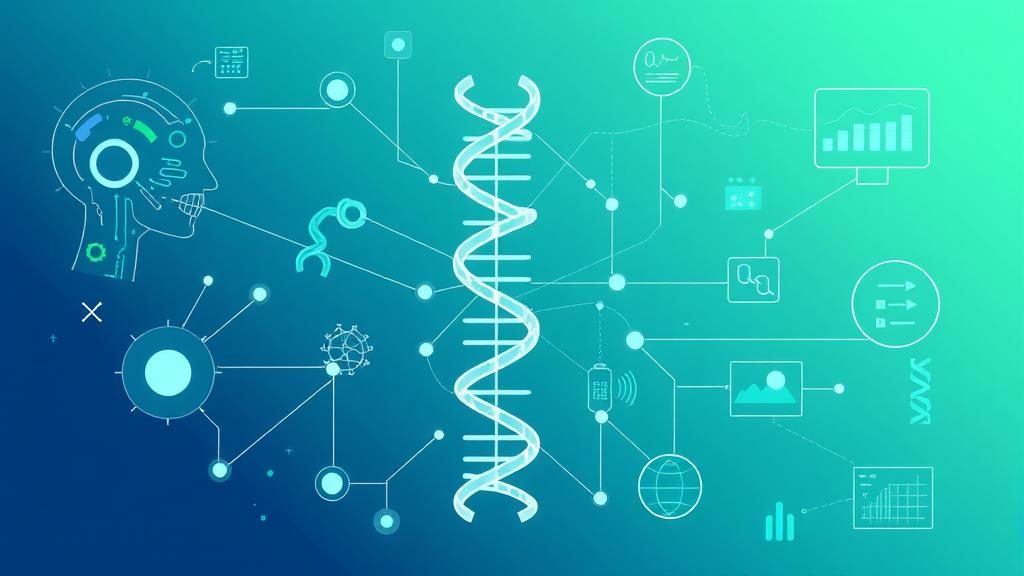
Cancer is arguably the disease where multi-omics AI integration has the most clinical impact today. This post examines how agentic systems could transform the precision oncology workflow.
Drug discovery is the highest-value application of agentic omics. Agents can orchestrate the entire pipeline from target identification through lead optimization, dramatically compressing timelines.

A practical guide to building agentic systems for omics research. What tools do agents need? How do you handle the unique challenges of biological data? What does a reference architecture look like?
The central thesis of this series: Agentic Omics combines LLM reasoning with domain-specific biological AI models to create autonomous systems capable of end-to-end biological discovery.
Agentic AI is not just LLMs answering questions — it's AI systems that autonomously plan, reason, use tools, and execute multi-step scientific workflows. This post defines the paradigm and surveys its emergence in …
Single-cell technologies now measure multiple omics layers simultaneously in individual cells. AI models for single-cell multi-omics are enabling unprecedented resolution in understanding cellular heterogeneity, …