
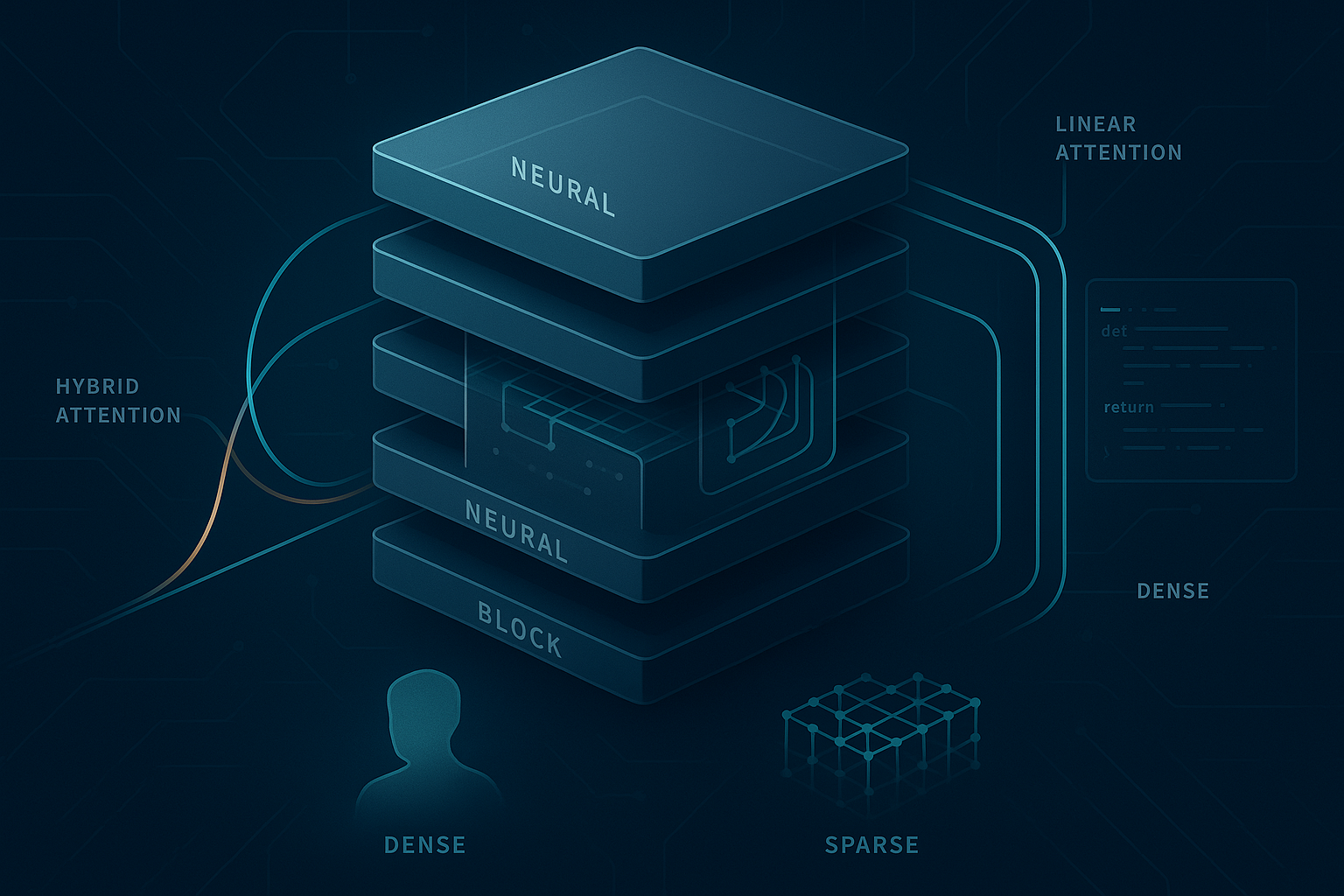
Qwen3.6-27B Deep Dive: Why This Mid-Size Dense Model Works So Well
A technical deep dive into Qwen3.6-27B: its hybrid architecture, long-context design, thinking preservation, and why 27B parameters can still perform at a flagship level.
Long-form, evidence-backed writing on agentic AI — newest first.
A technical deep dive into Qwen3.6-27B: its hybrid architecture, long-context design, thinking preservation, and why 27B parameters can still perform at a flagship level.
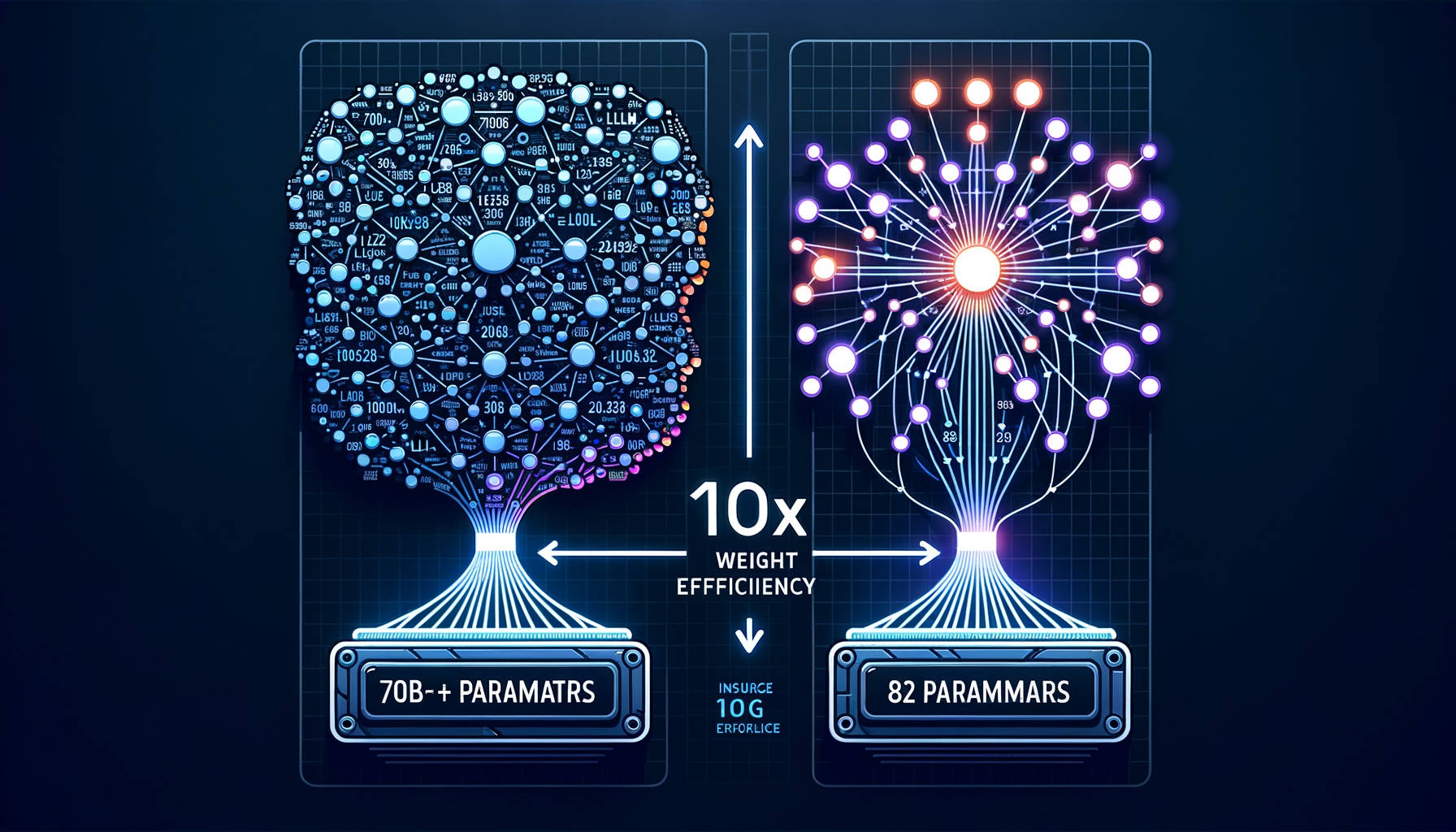
Explore the paradigm shift in LLM development: from brute-force scaling to scientific efficiency. Discover the six key methodologies enabling smaller models to outperform their massive predecessors.
A new AI model called PARM can predict and design gene promoter activity from DNA sequence alone—opening the door to programmable gene expression for therapy and regenerative medicine.

Analysis of the March-April 2026 kinetic attacks on AWS Middle East data centers, including infrastructure damage, service disruptions, and strategic recommendations for cloud resilience in an era of hybrid warfare.

Comprehensive review of AI advances in theranostics dosimetry, precision radiotherapy frameworks, and radiopharmaceutical discovery including deep learning architectures, GNNs, and digital twin frameworks.
The final post in our Agentic Omics series synthesises two years of progress and charts the path forward: near-term breakthroughs, medium-term transformations, and the enduring challenges that will define biological AI …

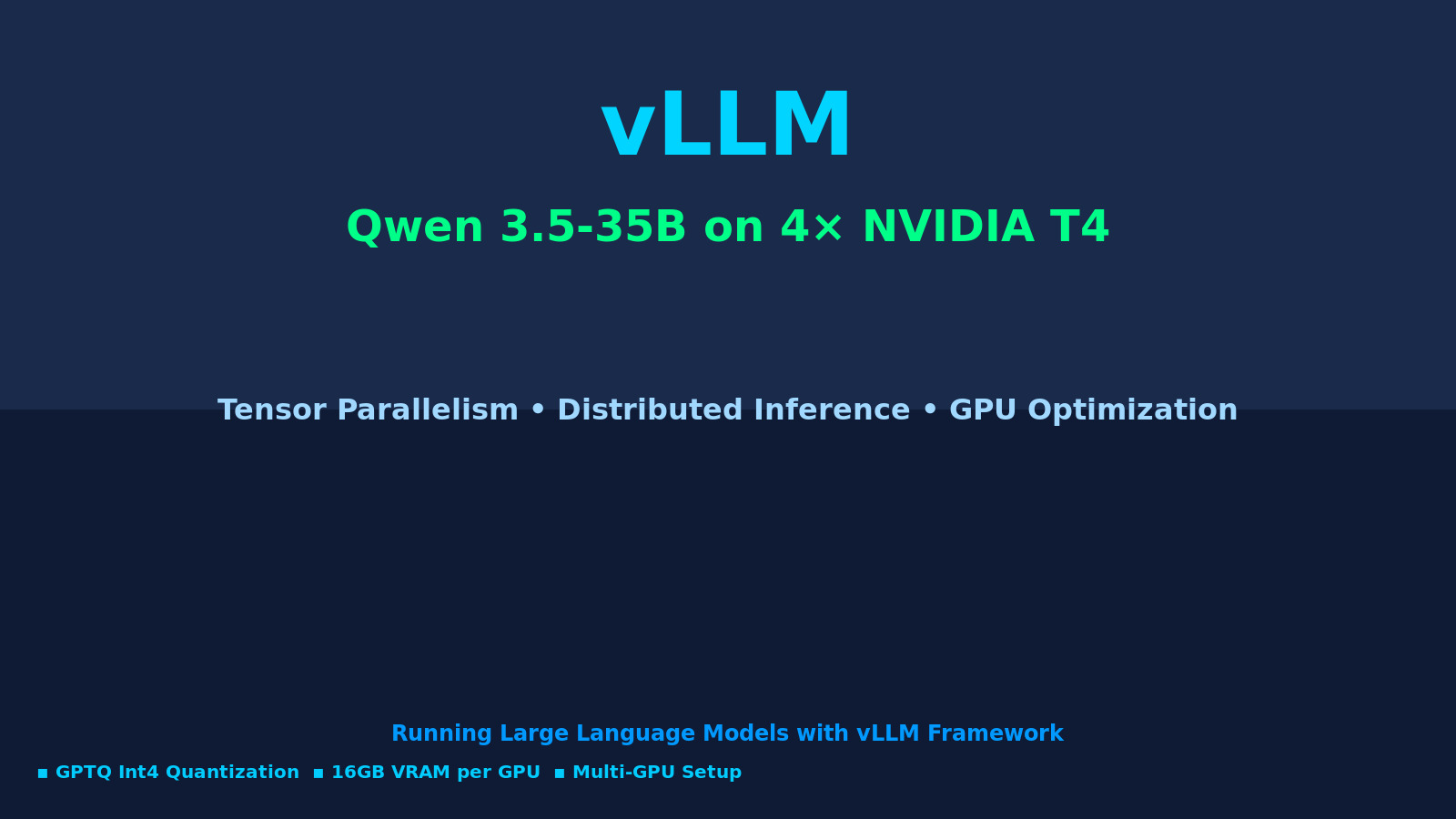
Comprehensive guide to running Qwen3.5-35B GPTQ Int4 on 4× Nvidia T4 16GB GPUs using vLLM with tensor parallelism. Includes architecture, configuration, performance analysis, and troubleshooting.
The ultimate vision of agentic omics is the self-driving laboratory: AI agents that design experiments, control robotic platforms, analyse results, and iterate — with humans providing goals and oversight.

AI models that can design proteins, predict pathogen evolution, or generate novel biological sequences raise real biosecurity concerns. This post takes an honest look at the dual-use risks and governance frameworks.

The tension between open science and commercial interests is acute in biological AI. AlphaFold 2 was open; AlphaFold 3's code was initially restricted. ESM is open; many pharma AI tools are not. This matters for …